Psoriasis is a chronic autoimmune skin condition characterized by red, scaly patches that can appear anywhere on the body. It affects approximately 2-3% of the population in Ireland and can significantly impact a person’s quality of life. While there is no cure, various treatments can help manage symptoms and improve skin appearance.
Types of Psoriasis
There are several types of psoriasis, each with unique characteristics:
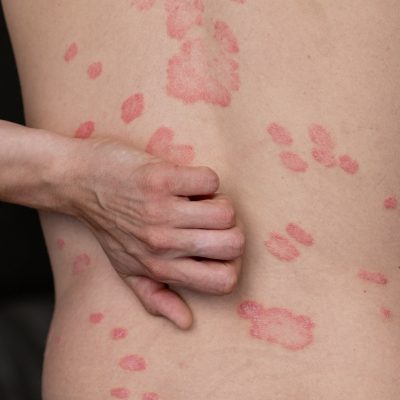
- Plaque psoriasis: The most common form, characterized by raised, red patches covered with silvery scales
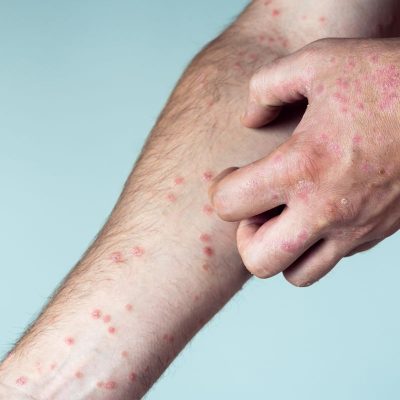
- Guttate psoriasis: Small, drop-shaped lesions that often appear after an infection
- Inverse psoriasis: Smooth, red patches in skin folds
- Pustular psoriasis: White, pus-filled blisters surrounded by red skin
- Erythrodermic psoriasis: A severe, widespread form that can be life-threatening
Psoriasis Symptoms
Psoriasis occurs when your immune system mistakenly attacks healthy skin cells, causing them to multiply much faster than normal. This rapid cell turnover results in the buildup of thick, scaly patches on the skin’s surface. Common symptoms include:
- Red, inflamed patches of skin
- Silvery-white scales
- Itching and discomfort
- Dry, cracked skin that may bleed
- Thickened or pitted nails
Causes and Triggers
While the exact cause of psoriasis is unknown, several factors contribute to its development:
- Genetics: Having a family history of psoriasis increases your risk
- Immune system dysfunction: An overactive immune response leads to inflammation and rapid skin cell growth
- Environmental triggers: Stress, infections, skin injuries, and certain medications can trigger flare-ups
- Lifestyle factors: Smoking, alcohol consumption, and obesity may exacerbate symptoms
Psoriasis Management and Treatment
While there is no cure for psoriasis, various treatments can help manage symptoms and improve quality of life. Treatment options include:
- Topical treatments: Creams, ointments, and lotions containing corticosteroids, vitamin D analogues, or retinoids
- Phototherapy: Controlled exposure to ultraviolet light to slow skin cell growth
- Systemic medications: Oral or injectable drugs that work throughout the body to reduce inflammation
- Biologic therapies: Targeted treatments that modulate specific parts of the immune system
Living with Psoriasis: Tips for Managing Flare-Ups
In addition to medical treatments, lifestyle changes can help manage psoriasis symptoms:
- Moisturize regularly to keep skin hydrated and reduce scaling
- Identify and avoid personal triggers
- Manage stress through relaxation techniques or therapy
- Maintain a healthy diet and exercise routine
- Use gentle skincare products and avoid harsh soaps
While living with psoriasis can be challenging, understanding the condition and exploring treatment options can help you take control of your skin health. Remember, you’re not alone in this journey, and support is available.