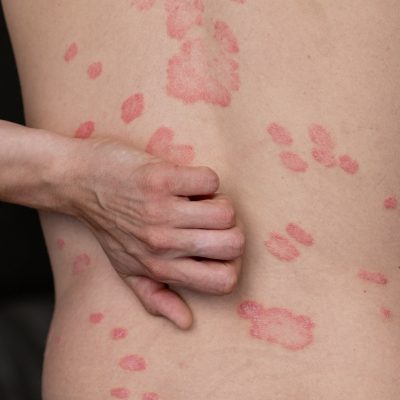
Psoriasis is indeed classified as an autoimmune disease. This chronic inflammatory skin condition occurs when the immune system mistakenly attacks healthy skin cells, leading to the rapid buildup of skin cells that results in scaly, itchy, and inflamed patches on the skin.
The Autoimmune Mechanism Behind Psoriasis
In psoriasis, the immune system becomes overactive, triggering an inflammatory response that accelerates the growth cycle of skin cells. This process, which normally takes about a month, is shortened to just a few days in psoriasis patients. As a result, skin cells accumulate rapidly on the surface, forming the characteristic thick, silvery scales and red patches associated with the condition.
Research has shown that psoriasis involves several components of the immune system, including:
- T cells: These immune cells become overactive and release inflammatory chemicals that stimulate skin cell growth.
- Cytokines: Proteins like tumor necrosis factor-alpha (TNF-α) and interleukins play a crucial role in the inflammatory process.
- Dendritic cells: These cells present antigens to T cells, potentially triggering the autoimmune response.
The Role of Genetics and Environmental Factors
While the exact cause of psoriasis remains unknown, research suggests that both genetic and environmental factors contribute to its development. People with a family history of psoriasis are more likely to develop the condition, indicating a strong genetic component.
Environmental triggers that can exacerbate psoriasis symptoms include:
- Stress
- Infections
- Certain medications
- Skin injuries
- Cold weather
- Smoking and alcohol consumption
Psoriasis and Its Impact on Overall Health
As an autoimmune disease, psoriasis doesn’t just affect the skin. It can have far-reaching effects on a person’s overall health and well-being. People with psoriasis are at an increased risk of developing other autoimmune conditions, such as psoriatic arthritis, which affects up to 30% of psoriasis patients.
Moreover, individuals with psoriasis may be more susceptible to:
- Cardiovascular disease
- Type 2 diabetes
- Inflammatory bowel disease
- Depression and anxiety
These associated conditions underscore the importance of managing psoriasis as a systemic disease rather than just a skin condition.
Treatment Approaches for Psoriasis
As an autoimmune disease, psoriasis treatment often focuses on modulating the immune system and reducing inflammation. Treatment options may include:
- Topical treatments: Corticosteroids, vitamin D analogues, and retinoids can help manage mild to moderate psoriasis.
- Phototherapy: Controlled exposure to UVB light can slow skin cell growth and reduce inflammation.
- Systemic medications: For moderate to severe cases, oral or injectable medications that target the immune system may be prescribed.
- Biologic drugs: These newer treatments specifically target parts of the immune system involved in psoriasis.
Some treatments for psoriasis can be requested online. In some cases, it’s crucial to work closely with a dermatologist or a GP experienced with skin problems to find the most effective treatment plan, as psoriasis management often requires a personalized approach.
Living with Psoriasis: Tips for Managing an Autoimmune Condition
While there’s no cure for psoriasis, there are several strategies that can help manage the condition:
- Maintain a healthy lifestyle: Regular exercise, a balanced diet, and stress management can help reduce flare-ups.
- Keep skin moisturized: Regular use of moisturizers can help soothe irritated skin and reduce scaling.
- Avoid triggers: Identify and avoid personal triggers that exacerbate your symptoms.
- Stay informed: Keep up with the latest research and treatment options for psoriasis.
- Seek support: Connect with support groups or counseling services to help cope with the emotional aspects of living with a chronic condition.
- Consult a skin specialist for a better evaluation, and treatment plan.
Remember, psoriasis is a manageable condition, and with proper care and treatment, many people with psoriasis lead full, active lives.