Psoriasis is a chronic inflammatory skin condition. While there’s no cure, there are many effective ways to manage symptoms and reduce flare-ups. This guide explores treatments and natural remedies to help you find relief from psoriasis.
Understanding Psoriasis
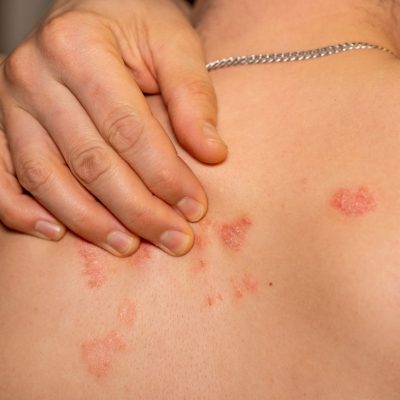
Psoriasis causes red, scaly patches on the skin due to an overactive immune system that speeds up skin cell growth. Common symptoms include:
- Itchy, burning skin
- Red patches covered with silvery scales
- Dry, cracked skin that may bleed
- Thickened or ridged nails
- Swollen and stiff joints
While psoriasis can appear anywhere on the body, it often affects the scalp, elbows, knees, and lower back. The condition tends to go through cycles of flaring up for weeks or months, then subsiding.
Medical Treatments for Psoriasis
If you’re struggling with psoriasis symptoms, speak to a dermatologist about these treatment options:
1. Topical Treatments
Creams and ointments are usually the first line of treatment. Options include:
- Corticosteroids to reduce inflammation
- Vitamin D analogues to slow skin cell growth
- Retinoids to reduce inflammation and skin cell turnover
- Calcineurin inhibitors to suppress the immune system
2. Light Therapy
Controlled exposure to ultraviolet light can slow skin cell turnover and reduce inflammation. This may involve UV lamps, lasers, or natural sunlight.
3. Oral or Injected Medications
For moderate to severe cases, systemic medications may be prescribed, such as:
- Methotrexate to suppress the immune system
- Biologics that target specific parts of the immune system
- Oral retinoids to reduce skin cell production
Natural Remedies and Lifestyle Changes
In addition to medical treatments, many people find relief through natural approaches:
1. Dietary Changes
Some studies suggest an anti-inflammatory diet may help reduce psoriasis symptoms. This includes:
- Increasing omega-3 fatty acids (found in fish, walnuts, and flaxseeds)
- Eating more fruits and vegetables
- Reducing processed foods and sugar
- Limiting alcohol consumption
2. Stress Management
Stress can trigger psoriasis flares. Try stress-reduction techniques like meditation, yoga, or deep breathing exercises.
3. Moisturize Regularly
Keep skin hydrated with fragrance-free moisturizers, especially after bathing. This can reduce itching and scaling.
4. Gentle Skincare
Use mild soaps and lukewarm water when bathing. Avoid hot showers and harsh scrubbing, which can irritate the skin.
5. Natural Topicals
Some people find relief with natural remedies like aloe vera gel, tea tree oil, or oatmeal baths. Always patch test new products first.
Living Well with Psoriasis
While psoriasis can be challenging, many people successfully manage their symptoms and lead full, active lives. The key is working closely with your healthcare provider to find the right treatment plan for you. Remember, what works for one person may not work for another, so don’t get discouraged if you need to try several approaches.
If you’re struggling with psoriasis, don’t hesitate to seek help. Book a consultation with a skin specialist to discuss your symptoms and explore treatment options. If you need fast access to treatment, consider requesting it online to have it delivered to your pharmacy.