Cold sores are a common and often frustrating skin condition that affects millions of people worldwide. In this comprehensive guide, we’ll explore the appearance, stages, and symptoms of cold sores, as well as discuss treatment options and recent research developments.
What is a Cold Sore?
A cold sore, also known as a fever blister, is a small, fluid-filled blister that typically appears on or around the lips. These sores are caused by the herpes simplex virus type 1 (HSV-1), which is extremely common. In fact, the World Health Organization estimates that nearly two-thirds of the global population under age 50 carries this virus, often unknowingly.
The Stages of a Cold Sore
Cold sores typically progress through several distinct stages:
- Tingling stage: Many people experience a tingling, itching, or burning sensation before the sore becomes visible.
- Blister formation: Small fluid-filled blisters appear, usually in a cluster.
- Weeping stage: The blisters burst, leaving shallow, red sores.
- Crusting stage: The sores dry out and form a yellowish or brownish crust.
- Healing stage: The crust falls off, revealing new skin underneath.
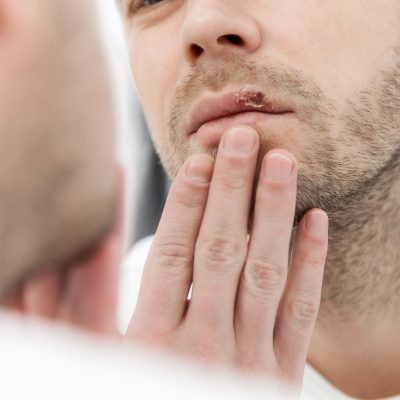
What Does a Cold Sore Look Like?
The appearance of a cold sore can vary depending on its stage, but generally, it looks like:
- A small, red bump or cluster of blisters on or near the lips
- Clear, fluid-filled blisters that may appear slightly raised
- Shallow, red sores after the blisters burst
- A yellowish or brownish crust during the healing process
Common Symptoms of Cold Sores
In addition to their distinctive appearance, cold sores often come with other symptoms, including:
- Tingling, itching, or burning sensation before the sore appears
- Pain or tenderness in the affected area
- Swelling of the lips or surrounding skin
- In some cases, fever, body aches, or swollen lymph nodes
Treatment Options for Cold Sores
While there’s no cure for the herpes simplex virus, there are several treatment options available to manage cold sores and reduce their duration:
- Over-the-counter antiviral creams
- Antiviral medications
- Pain relievers to manage discomfort
- Cold compresses to reduce swelling
- Lip balms with SPF to protect healing skin
Prevention Tips
To reduce the frequency of cold sore outbreaks, consider these prevention strategies:
- Avoid triggers like stress, excessive sun exposure, and lack of sleep
- Maintain good hygiene practices
- Use lip balms with SPF to protect your lips
- Boost your immune system through a healthy diet and regular exercise
When to Seek Medical Advice
While most cold sores heal on their own within 1-2 weeks, there are times when you should consult a healthcare professional:
- If you experience frequent or severe outbreaks
- If the sores don’t heal within two weeks
- If you have a weakened immune system
- If the sores spread to other parts of your body
For personalized advice on managing cold sores, consider booking a video consultation with a skin specialist. They can provide tailored treatment recommendations based on your specific situation. If you need fast access to treatment, consider requesting it online to have it delivered to your pharmacy.