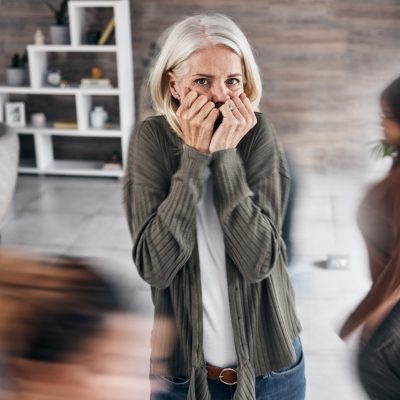
Social anxiety is an intense, persistent fear of being watched and judged by others in social situations. This debilitating mental health condition can significantly impact a person’s daily life, relationships, and overall well-being. In this comprehensive guide, we’ll explore the causes, symptoms, and treatment options for social anxiety, with a focus on how it affects people in Ireland.
The Hidden Struggle: Defining Social Anxiety
Social anxiety disorder, also known as social phobia, goes beyond mere shyness. It’s a complex mental health condition characterised by an overwhelming fear of social interactions and situations. People with social anxiety often experience intense worry about being embarrassed, humiliated, or rejected by others, leading them to avoid social situations altogether.
In Ireland, like many other countries, social anxiety is a prevalent issue. While exact statistics for Ireland are limited, global studies suggest that social anxiety affects approximately 7% of the population. This means that potentially hundreds of thousands of Irish people may be silently struggling with this condition.
Recognising the Signs: Symptoms of Social Anxiety
Social anxiety manifests in various ways, both physically and emotionally. Common symptoms include:
- Intense fear of social situations
- Avoidance of social events or gatherings
- Excessive self-consciousness in everyday situations
- Physical symptoms like sweating, trembling, or rapid heartbeat
- Difficulty making eye contact or speaking in public
- Fear of being judged or scrutinized by others
- Overthinking social interactions after they occur
These symptoms can significantly impact a person’s quality of life, affecting their ability to form relationships, pursue career opportunities, or even perform daily tasks like shopping or using public transport.
The Root of the Problem: Causes of Social Anxiety
Social anxiety is a complex disorder with multiple contributing factors. Some potential causes include:
- Genetic predisposition: Research suggests that social anxiety can run in families
- Brain chemistry: Imbalances in neurotransmitters may play a role
- Environmental factors: Negative social experiences or trauma can trigger social anxiety
- Learned behaviour: Observing anxious behaviour in others, particularly parents
- Cultural influences: Societal expectations and norms can contribute to social anxiety
In Ireland, cultural factors such as the emphasis on “craic” (fun social interaction) and the importance of pub culture may inadvertently increase pressure on those with social anxiety.
Breaking the Silence: Treatment Options for Social Anxiety
Fortunately, social anxiety is treatable, and many people find relief through various approaches:
- Cognitive Behavioural Therapy (CBT): This evidence-based therapy helps individuals identify and change negative thought patterns and behaviours.
- Exposure Therapy: Gradually facing feared social situations can help reduce anxiety over time.
- Medication: Antidepressants or anti-anxiety medications may be prescribed in some cases.
- Mindfulness and Relaxation Techniques: Practices like meditation can help manage anxiety symptoms.
- Support Groups: Connecting with others who understand can provide valuable emotional support.
In Ireland, mental health services are available through the HSE (Health Service Executive) and various private practitioners. Additionally, organisations like Dronline offer psychiatry video consultations, providing accessible care for those struggling with social anxiety.
Interesting Facts About Social Anxiety
Did you know?
- Social anxiety is the third most common mental health disorder worldwide, after depression and substance abuse.
- The average age of onset for social anxiety is during the teenage years, typically around 13.
- People with social anxiety are at a higher risk of developing other mental health conditions, such as depression or substance abuse disorders.
- In Ireland, the prevalence of social anxiety may be influenced by cultural factors such as the importance of social gatherings and the concept of “having the craic.”
Taking the First Step: Seeking Help for Social Anxiety
If you or someone you know is struggling with social anxiety, it’s essential to remember that help is available. In Ireland, there are several paths to support:
- Consult with a psychologist who specialises in anxiety disorders.
- Speak with your GP about your symptoms and potential treatment options.
- Consider primary mental health care services for initial assessment and support.
- Explore online resources and support groups for additional information and community support.
Remember, seeking help is a sign of strength, not weakness. With the right support and treatment, it’s possible to manage social anxiety and lead a fulfilling life.
Conclusion: Embracing a Future Without Fear
Social anxiety is a challenging condition, but it doesn’t have to define your life. By understanding its causes, recognising its symptoms, and seeking appropriate treatment, you can take important steps towards overcoming social anxiety. Whether through therapy, medication, or a combination of approaches, there is hope for a future where social interactions bring joy rather than fear.
If you’re struggling with social anxiety, don’t hesitate to reach out for help. Remember, you’re not alone in this journey, and with the right support, you can learn to navigate social situations with confidence and ease.
For professional support and guidance, consider booking a consultation with a mental health expert. Schedule a video consultation with a psychiatrist today and take the first step towards overcoming social anxiety.