Anxiety is a common mental health concern that affects millions of people worldwide, including many in Ireland. If you’ve been wondering “Do I have anxiety?”, you’re not alone. This article will help you understand the signs of anxiety, its impact, and the support available for those struggling with this condition.
Understanding Anxiety: More Than Just Worry
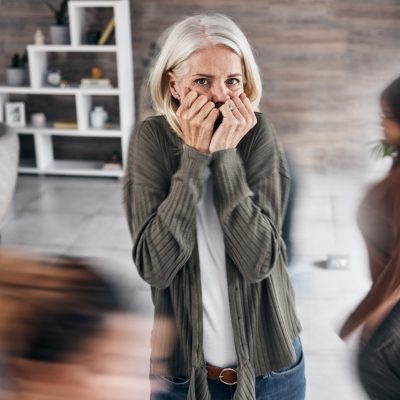
Anxiety is more than just occasional nervousness or worry. It’s a persistent feeling of apprehension or dread that can significantly impact your daily life. While it’s normal to feel anxious in certain situations, anxiety disorders involve excessive and persistent worry that’s out of proportion to the actual situation.
Common Signs and Symptoms of Anxiety
If you’re asking yourself “Do I have anxiety?”, consider these common signs and symptoms:
- Excessive worry about everyday situations
- Difficulty controlling your worries
- Restlessness or feeling on edge
- Trouble concentrating
- Sleep disturbances
- Physical symptoms like rapid heartbeat, sweating, or trembling
- Avoiding situations that trigger anxiety
It’s important to note that anxiety can manifest differently for each person. Some may experience only a few symptoms, while others might experience many.
The Impact of Anxiety on Daily Life
Anxiety can significantly affect various aspects of your life, including:
- Work or academic performance
- Relationships with family and friends
- Social interactions
- Overall quality of life
If you find that worry or fear is interfering with your ability to enjoy life or accomplish daily tasks, it may be time to seek professional help.
Anxiety in Ireland: You’re Not Alone
Anxiety is a prevalent mental health concern in Ireland. According to recent studies, nearly 1 in 10 people in Ireland will be affected by an anxiety disorder at some point in their lives. This statistic highlights the importance of recognizing anxiety symptoms and seeking appropriate support.
Interesting Facts About Anxiety
Here are some intriguing facts about anxiety that you might not know:
- Anxiety disorders are the most common mental health conditions worldwide
- Women are nearly twice as likely as men to be diagnosed with an anxiety disorder
- Anxiety often co-occurs with other mental health conditions, such as depression
- Regular exercise has been shown to help reduce anxiety symptoms
Seeking Help: Professional Support for Anxiety in Ireland
If you’re experiencing symptoms of anxiety, it’s essential to know that help is available. In Ireland, there are several options for professional support:
1. Psychiatry Video Consultation: For those who prefer the convenience of remote consultations, video consultations with qualified psychiatrists are available. This option allows you to discuss your symptoms and receive expert guidance from the comfort of your home.
2. Psychology Services: Speaking with a psychologist can help you understand and manage your anxiety. Professional psychology services offer evidence-based treatments such as Cognitive Behavioral Therapy (CBT), which is highly effective for anxiety disorders.
Self-Help Strategies for Managing Anxiety
While professional help is crucial for managing anxiety, there are also self-help strategies you can implement:
- Practice mindfulness and relaxation techniques
- Maintain a regular exercise routine
- Ensure you’re getting enough sleep
- Limit caffeine and alcohol intake
- Connect with supportive friends and family
Conclusion: Taking the First Step Towards Anxiety Management
If you’ve been asking yourself “Do I have anxiety?”, and recognize some of the symptoms mentioned in this article, it’s important to remember that anxiety is a treatable condition. Many people in Ireland and around the world successfully manage their anxiety with the right support and treatment.
Don’t hesitate to reach out for help. Whether it’s through video consultations, psychology services, or primary mental care, taking that first step towards managing your anxiety can lead to significant improvements in your quality of life. Remember, seeking help is a sign of strength, not weakness, and you don’t have to face anxiety alone.