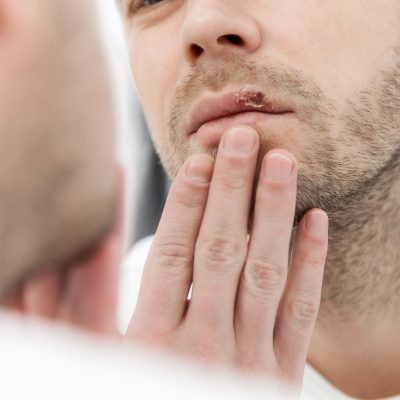
Cold sores, those pesky and often painful blisters that appear around the mouth, typically last between 7 to 10 days. However, the duration can vary depending on the individual and the steps taken to treat the outbreak.
Understanding Cold Sores: Causes and Symptoms
Cold sores are caused by the herpes simplex virus type 1 (HSV-1), a highly contagious virus that affects millions of people worldwide. In fact, it’s estimated that about two-thirds of people under 50 are infected with HSV-1 globally. The virus can lie dormant in your body for years, only to be triggered by factors such as stress, illness, or sun exposure.
Symptoms of a cold sore outbreak typically include:
- Tingling or itching sensation around the lips or mouth
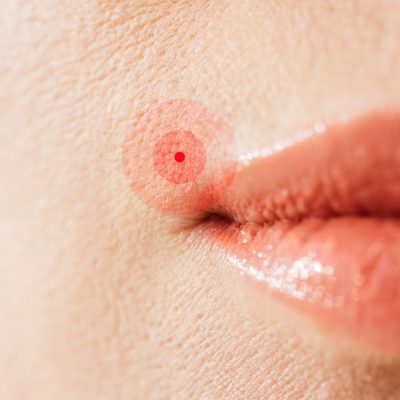
- Formation of small, fluid-filled blisters
- Pain or discomfort in the affected area
- Crusting and scabbing as the blisters heal
The Cold Sore Lifecycle: From Tingling to Healing
A cold sore typically progresses through several stages over the course of its 7-10 day lifespan:
- Tingling stage (Day 1-2): You may feel a tingling, itching, or burning sensation around your lips.
- Blister stage (Day 2-4): Small, fluid-filled blisters appear, often in clusters.
- Weeping stage (Day 4-5): Blisters may burst, releasing clear fluid.
- Crusting stage (Day 5-8): The affected area begins to dry out and form a scab.
- Healing stage (Day 8-10): The scab falls off, revealing new skin underneath.
Effective Treatments to Speed Up Healing
While cold sores will eventually heal on their own, there are several treatments that can help speed up the process and alleviate symptoms:
- Antiviral medications: Prescription drugs like acyclovir or valacyclovir can shorten the duration of an outbreak if taken early.
- Over-the-counter creams: Products containing docosanol or benzyl alcohol can help reduce symptoms and promote healing.
- Cold compresses: Applying a cold, damp cloth to the affected area can help reduce swelling and provide relief.
- Pain relievers: Over-the-counter pain medications like ibuprofen or acetaminophen can help manage discomfort.
Prevention Strategies: Keeping Cold Sores at Bay
While it’s not always possible to prevent cold sores entirely, there are steps you can take to reduce the frequency and severity of outbreaks:
- Manage stress through relaxation techniques or exercise
- Protect your lips from sun exposure with SPF lip balm
- Maintain a healthy diet and lifestyle to boost your immune system
- Avoid sharing personal items like lip balms or utensils
- Wash your hands frequently, especially after touching a cold sore
If you’re experiencing frequent or severe outbreaks, it’s advisable to consult with a healthcare professional for personalized treatment options.
If you have already undergone a diagnosis and are experiencing cold sore symptoms, you can request a treatment via online— a simple, fast, and discreet service with complete clinical safety.
Remember, while cold sores are a common occurrence, they don’t have to control your life. With the right knowledge and treatment approach, you can minimize their duration and impact, allowing you to face the world with confidence.