In Ireland, the arrival of colder months often coincides with a rise in gastrointestinal illnesses, most notably norovirus. Frequently referred to by the Irish public as the “winter vomiting bug,” norovirus is a leading cause of gastroenteritis outbreaks in hospitals, schools, and nursing homes across the country.
What is norovirus?
Norovirus is a group of highly contagious viruses that cause inflammation of the stomach and large intestine lining (gastroenteritis). It is often mistakenly called the “stomach flu,” though it is entirely unrelated to the influenza virus.
Because there are many different types of norovirus, being infected once does not provide lifelong immunity; you can catch it multiple times throughout your life. In Ireland, while it circulates year-round, it is most prevalent during the winter, often leading to temporary closures of hospital wards to prevent further spread.
What are the symptoms of norovirus?
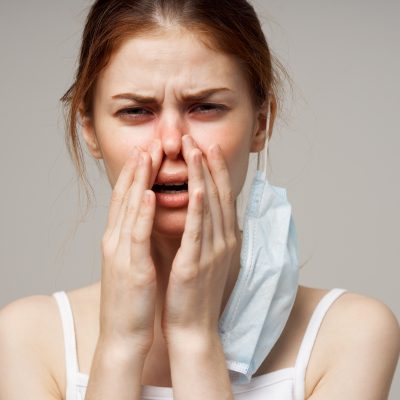
The symptoms of norovirus usually appear suddenly, often within 12 to 48 hours of exposure. The primary symptoms include:
- Nausea and projectile vomiting: Sudden, forceful vomiting is a hallmark of the virus.
- Watery diarrhea: Non-bloody, frequent bowel movements.
- Stomach cramps: Significant abdominal pain or cramping.
- Low-grade fever and chills: Though not always present, some may experience a slight temperature.
- Muscle aches and headache: A general feeling of being unwell (malaise).
The greatest risk associated with these symptoms is dehydration, particularly in young children, the elderly, and those with underlying health conditions.
How long does norovirus last?
For most healthy individuals, norovirus is a short-term illness. Symptoms typically last between one to three days. While the recovery is usually rapid, the intensity of the symptoms during those few days can be debilitating. If symptoms persist beyond three days or if you cannot keep fluids down, it is advised to contact a GP or seek medical advice via phone to avoid visiting a clinic and spreading the virus.
How long is norovirus contagious?
Norovirus is exceptionally contagious. You are most infectious from the moment you begin feeling ill until at least 48 hours after your symptoms have completely stopped.
However, research shows that the virus can remain in your stool for two weeks or more after you feel better. This is why strict hygiene is necessary even after recovery. To protect the Irish community and healthcare systems, health authorities emphasize the “48-hour rule”: do not return to work, school, or visit hospitals until you have been symptom-free for two full days.
Is norovirus airborne?
Norovirus is not considered an “airborne” virus in the same way as COVID-19 or the measles, which can travel long distances through the air. However, it can become aerosolised.
When an infected person vomits, tiny droplets containing the virus can spray into the air and land on surfaces or be inhaled and swallowed by people nearby. This is why outbreaks often spread so rapidly through confined spaces like Irish households or classrooms.
How is norovirus transmitted?
The virus travels via the “fecal-oral route.” This happens in:
- Direct contact: Caring for an infected person or sharing utensils/towels with them.
- Contaminated surfaces:Touching a surface (like a doorknob, tap, or phone) that has the virus on it and then touching your mouth.
- Contaminated food and water: Eating food handled by someone with the virus or consuming shellfish harvested from contaminated waters.
What are the prevention measures?
Because norovirus is hardy and can survive extreme temperatures and many common disinfectants, prevention requires specific actions:
- Wash your hands thoroughly with soap and warm water for at least 20 seconds. Alcohol-based hand sanitisers do not kill norovirus. Soap and water are the only effective way to physically remove the virus from your hands.
- If someone in your home is sick, clean surfaces with a bleach-based household cleaner. Many standard antibacterial sprays are ineffective against norovirus.
- Wash soiled clothing or bedding on a hot cycle (60°C) and wear disposable gloves if possible when handling them.
- Thoroughly wash fruits and vegetables, and ensure shellfish are cooked to an internal temperature of at least 63°C.
How Dr.Online can help
When you are in the middle of a norovirus flare-up, the last thing you want to do is leave your home and travel to a GP surgery. Not only is it physically exhausting, but it also risks spreading the virus to others in the waiting room. This is where Dr.Online provides a safer, more convenient alternative.
With Dr.Online, you can book a video or phone consultation with an Irish Medical Council-registered GP. This allows you to receive professional medical advice from the comfort of your bed.