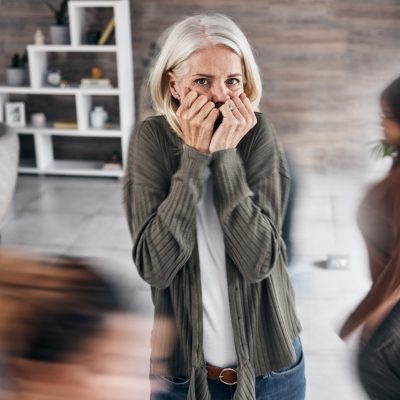
Understanding the Link Between Anxiety and Shortness of Breath
Shortness of breath from anxiety is a common symptom that can be alarming, but is typically not dangerous. When experiencing anxiety, your breathing may become rapid and shallow, leading to a feeling of breathlessness. This occurs as part of the body’s “fight or flight” response, which prepares you to deal with perceived threats.
Key Signs That Shortness of Breath is Anxiety-Related
To determine if your shortness of breath is caused by anxiety rather than a medical condition, consider the following indicators:
- Onset during stressful situations or panic attacks
- Accompanied by other anxiety symptoms like rapid heartbeat or sweating
- Improves with relaxation techniques or when the stressful situation passes
- No physical exertion preceding the breathlessness
- Absence of other respiratory symptoms like coughing or wheezing
Differentiating Anxiety-Induced Shortness of Breath from Other Causes
While anxiety is a common cause of shortness of breath, it’s essential to rule out other potential medical conditions. Here are some key differences:
Anxiety-Related Breathlessness:
- Often accompanied by other anxiety symptoms
- Typically improves with calm breathing exercises
- May come and go quickly
- Usually not accompanied by chest pain or tightness
Medical Conditions Causing Breathlessness:
- May persist even when you’re relaxed
- Could be accompanied by chest pain, fever, or coughing
- Might worsen with physical activity
- May not improve with relaxation techniques
Coping Strategies for Anxiety-Induced Shortness of Breath
If you’ve determined that your shortness of breath is likely due to anxiety, try these techniques to alleviate the symptom:
- Practice deep breathing exercises
- Use grounding techniques to stay present
- Try progressive muscle relaxation
- Engage in regular physical exercise
- Maintain a healthy sleep schedule
When to Seek Professional Help
While anxiety-induced shortness of breath is usually not dangerous, it’s important to consult a healthcare professional if:
- Symptoms persist or worsen over time
- You experience chest pain or tightness
- Breathlessness occurs without any apparent trigger
- You have a history of respiratory or heart conditions
Interesting Facts About Anxiety and Breathing
Did you know?
- The way you breathe can actually trigger or alleviate anxiety symptoms
- Chronic anxiety can lead to changes in breathing patterns even when you’re not actively anxious
- Practicing mindfulness and meditation can help retrain your breathing and reduce anxiety
Seeking Professional Support for Anxiety Management
If you’re struggling with anxiety and its physical symptoms like shortness of breath, consider reaching out to a mental health professional. Video consultations with psychiatrists can provide convenient access to expert care from the comfort of your home.
For ongoing support and skill-building, psychology services can help you develop coping strategies and address the root causes of your anxiety.
Conclusion
Understanding the connection between anxiety and shortness of breath is crucial for managing your mental health effectively. By recognizing the signs and implementing coping strategies, you can regain control over your breathing and reduce the impact of anxiety on your daily life. Remember, if you’re unsure about the cause of your symptoms or if they persist, it’s always best to consult with a healthcare professional for proper evaluation and guidance.