What is pneumonia?
Pneumonia is an acute inflammation of lung tissue, characterised by the proliferation of microorganisms at the alveolar level. This inflammation compromises the function of the alveoli, which are responsible for the essential gas exchanges necessary for life, leading to breathing difficulties.
What are the symptoms of pneumonia?
The symptoms of pneumonia can vary, but they generally include:
- High fever and chills;
- Cough with or without sputum (mucus that may be yellowish, greenish, or rust-coloured);
- Chest pain;
- Difficulty breathing or shortness of breath;
- Headache;
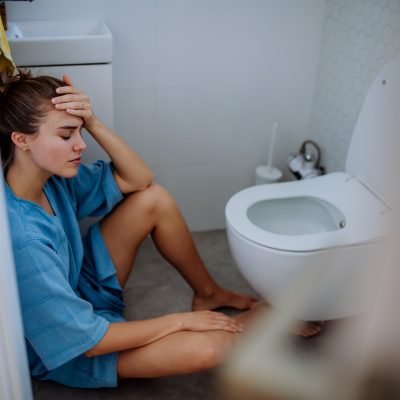
- Nausea, vomiting, or diarrhoea;
- Muscle and joint pain.
In elderly individuals, pneumonia may present without specific symptoms and without fever, sometimes manifesting as confusion or changes in mental state.
Is pneumonia contagious?
Pneumonia can be caused by various pathogenic agents, including bacteria, viruses, fungi, and parasites. Transmission usually occurs through inhalation of respiratory droplets expelled by an infected person when coughing or sneezing.
Risk factors that increase susceptibility to pneumonia include advanced age, smoking, chronic diseases (such as diabetes or heart failure), and a weakened immune system.
The contagiousness of pneumonia depends on the causative agent:
- Viral pneumonia: Generally contagious, transmitted through respiratory droplets.
- Bacterial pneumonia: Less contagious but can still be transmitted in certain circumstances.
- Fungal pneumonia: Rarely contagious and usually occurs in people with compromised immune systems.
It is important to note that not all exposures to pathogenic agents result in pneumonia, as individual susceptibility varies.
How is pneumonia treated?
The treatment of pneumonia depends on the causative agent and the severity of the infection:
- Bacterial pneumonia: Treated with specific antibiotics.
- Viral pneumonia: May require antiviral medication, although treatment is often supportive.
- Fungal pneumonia: Treated with antifungal medication.
Additionally, supportive measures such as fluid administration, antipyretics for fever, and, in severe cases, oxygen therapy may be necessary. Most people can be treated at home, but severe cases may require hospitalisation.
At home, some measures can help promote recovery, including:
- Rest: Adequate rest to strengthen the immune system.
- Hydration: Drinking plenty of fluids to keep the airways hydrated and facilitate sputum clearance.
- Environment: Keeping the surroundings well-ventilated and free from smoke or irritating substances.
It is essential to follow medical advice and not to stop the prescribed treatment, even if symptoms improve.
How can pneumonia be prevented?
- Vaccination: Vaccines against flu and pneumococcal infections can reduce the risk of pneumonia.
- Hygiene: Regular hand washing and avoiding close contact with sick individuals.
- Healthy lifestyle: Maintaining a balanced diet, exercising regularly, and avoiding smoking help strengthen the immune system.
Consulting a healthcare professional for specific prevention advice is crucial, especially for individuals in high-risk groups.